
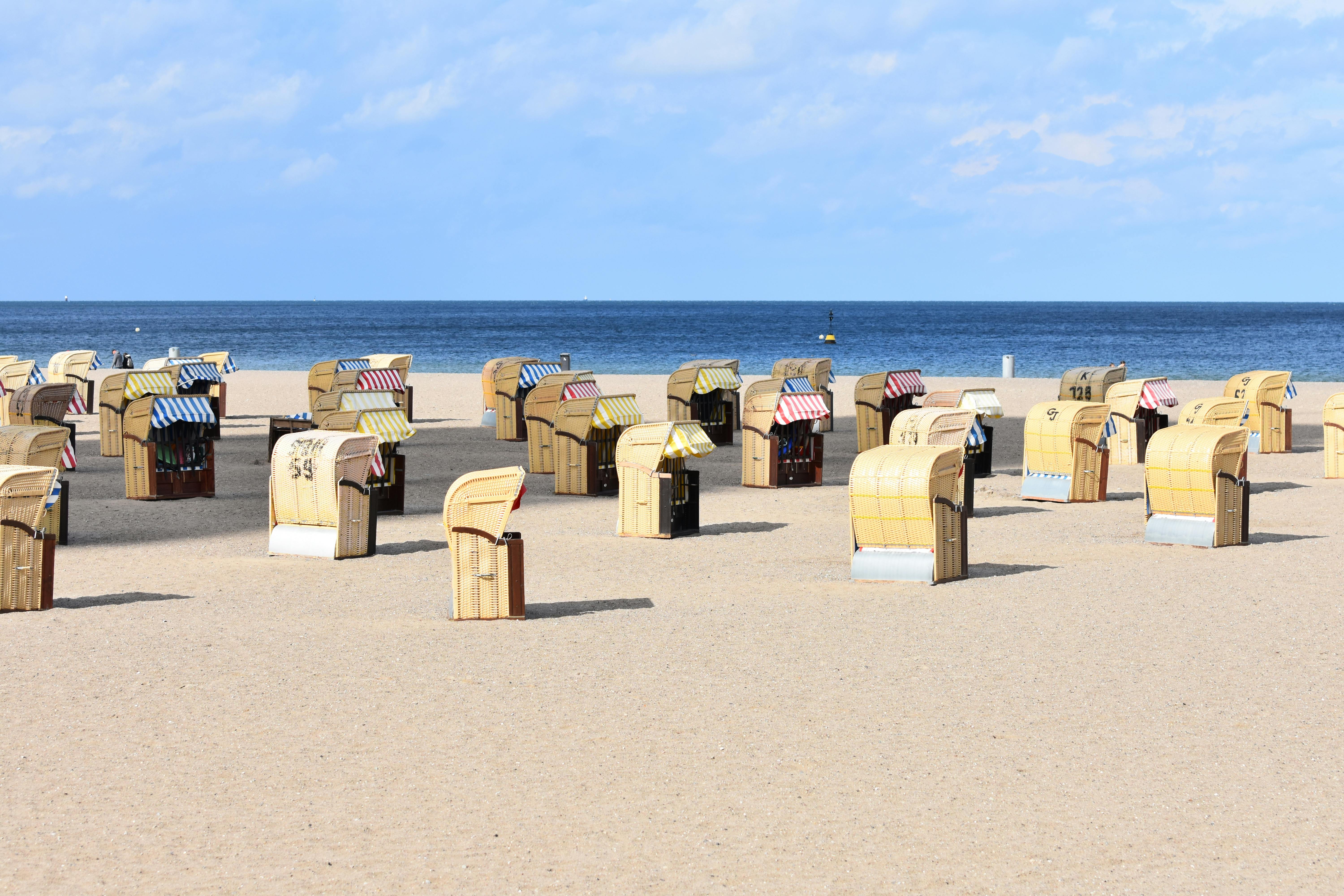
On northern European beaches the dominant piece of furniture is a hooded wicker chair rented by the day. Its design and its rental model both follow from a cool, windy coast.
The design solves wind, not sun
A Mediterranean lounger is built to lie flat under strong sun. A northern coast has moderate sun and persistent wind, which removes body heat faster than temperature alone suggests.
The hooded chair encloses the sitter on three sides and above, creating a still pocket of air that warms noticeably in weak sunshine.
Because it can be rotated, the shelter can be turned as the wind shifts through the day, which a fixed structure cannot do.
Renting rather than owning is the efficient answer
The chairs are heavy, bulky and made of materials that suffer in salt air, so storing one privately would require transport and a dry building near the beach.
Use is also concentrated into a short season and further limited by weather, meaning an individually owned chair would sit idle for most of its life.
A rental pool spreads that cost across many users and keeps maintenance with someone who repairs wickerwork routinely rather than once every few years.
Concessions organise the beach itself
Rental is typically granted as a concession over a defined section of sand, which is why chairs appear in disciplined rows with numbered positions.
The concession holder is responsible for placing, moving and securing the chairs, and often for the cleanliness of the section, which links the rental fee to beach upkeep.
That arrangement explains why the same beach can feel organised in one stretch and open in another, depending on where concession boundaries fall.
Pricing follows scarcity and position
Rates usually vary by row, with the front line nearest the water commanding the most, and by season, with the peak weeks priced well above the shoulder.
Weekly and seasonal bookings are common, and a regular visitor may hold the same numbered position year after year, which reduces availability for casual arrivals.
Arriving late on a fine day in high season often means no chair at all, since supply is fixed by the concession and cannot expand with demand.
Why the system persists
Attempts to replace the chairs with cheaper furniture tend to fail because the shelter function is genuinely necessary rather than decorative on an exposed coast.
The chairs also define the visual identity of these beaches, which matters to the resorts that license the concessions and market the shoreline.
The result is an unusually stable arrangement: a piece of furniture, a rental market and a coastal management practice that have grown into a single system.