
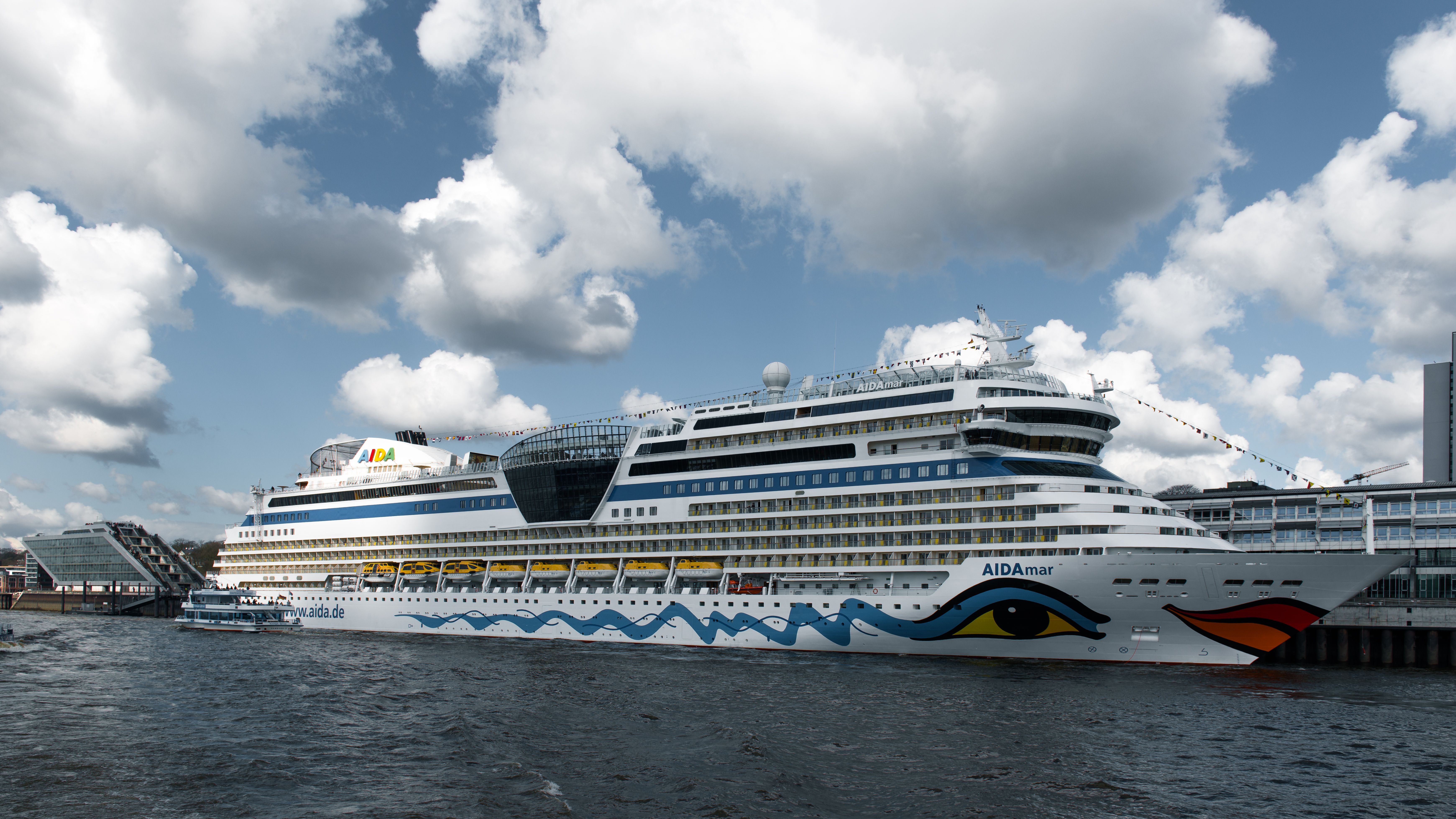
A cruise ship that carries several thousand people for a week loads nearly all of its food, beverage and supplies during one morning. The compression is a consequence of the schedule, not a choice.
The berth is only available briefly
A homeport berth is a scarce asset shared among ships on a rotating schedule. A vessel arrives early, sails in the evening, and everything must happen in between.
During that window the ship also has to disembark one full passenger load, be cleaned throughout, and embark another. Provisioning competes with all of it for the same gangways and elevators.
Ports charge for berth time and often penalize overstays, so there is a direct financial reason to complete the turnaround inside the allotted hours rather than spreading the work.
Cold chain drives the sequence
Chilled and frozen goods are loaded in a controlled order so that time out of refrigeration is minimized. Trucks are staged to arrive in the sequence the ship's storerooms can accept them.
Everything moves through a small number of shell doors low in the hull, then along a service corridor to dedicated lifts. That corridor is the real bottleneck rather than the pier.
Pallets are broken down and stowed by category, because a storeroom loaded out of order becomes unusable during the voyage when a specific item cannot be reached.
Dry stores and beverage follow different paths
Non-perishable goods, cleaning supplies and spare parts are less time-sensitive but far bulkier, so they are loaded around the perishables when the lifts are free.
Beverage in particular is heavy and is stowed low for stability reasons. Weight distribution is calculated, since taking on hundreds of tons of stores changes the vessel's trim.
Bunkering fuel, taking on potable water and discharging waste all draw on the same shoreside window, which is why the pier around a cruise ship on turnaround day looks chaotic.
Why the ship cannot simply restock at ports of call
Ports of call rarely have the pier access, warehousing or customs arrangements to handle a full provisioning run, and many are tender ports with no vehicle access at all.
Customs and agricultural rules also differ by country. Loading food in one jurisdiction and carrying it into another can trigger inspection or seizure of stores.
Limited top-ups do happen, typically of fresh produce or local specialties, but the structural load is carried out of the homeport where the operator has established supply arrangements.
What passengers see of it
Boarding in the early afternoon, passengers walk past the tail end of this operation, which is why embarkation is often routed through a terminal building set well back from the working part of the pier.
The staggered check-in times that lines assign exist partly to keep the passenger flow from colliding with the stores flow at the same shell doors and lifts.
It also explains why cabins and some venues are unavailable until mid-afternoon. Crew are still moving stores and completing cleaning while the first passengers are already aboard.