
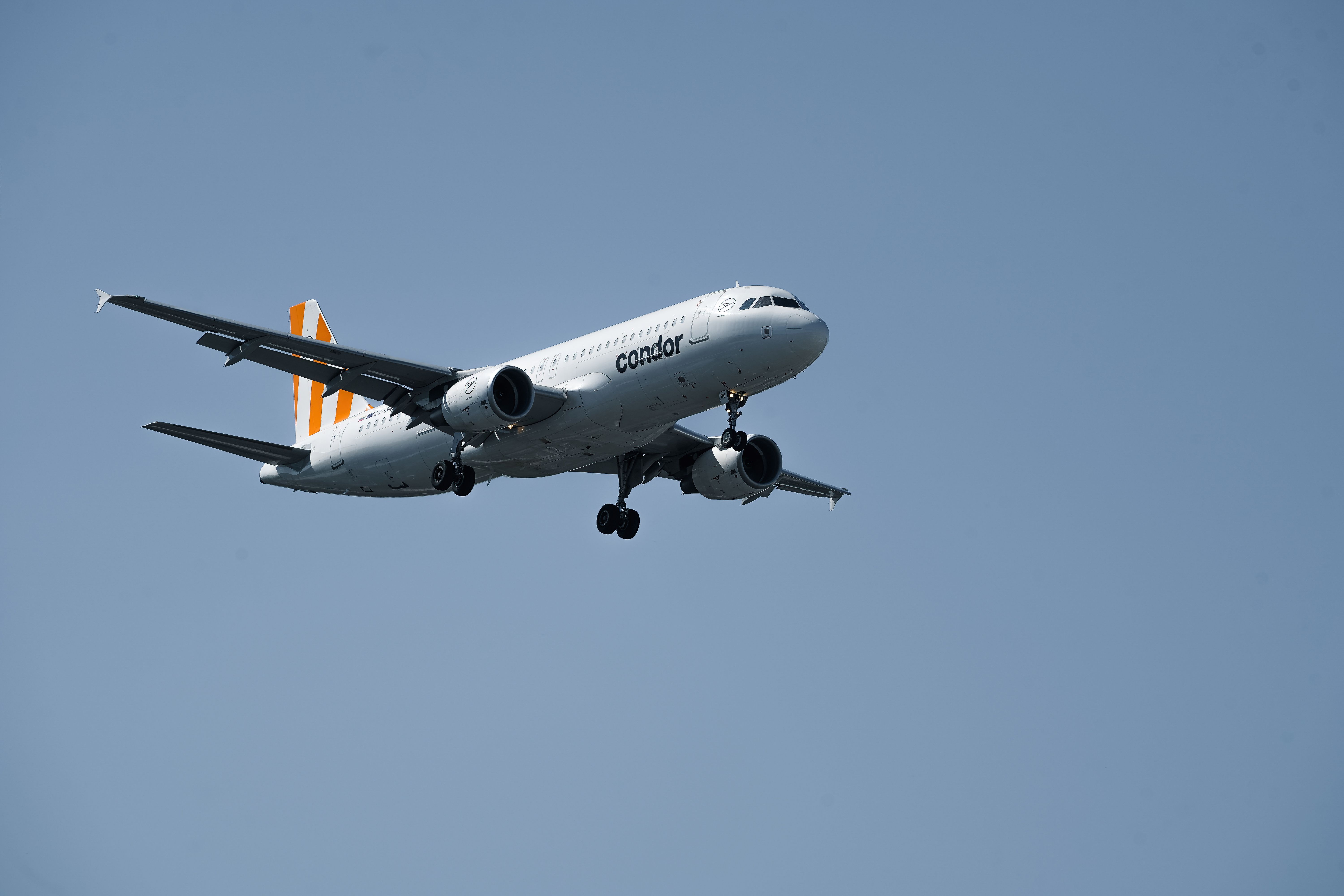
Airlines routinely accept more bookings than there are seats. The practice is deliberate, based on measured no-show behaviour, and bounded by rules that price the consequences.
No-shows are predictable in aggregate
On flexible and business-heavy routes a consistent share of booked passengers does not travel, having changed plans or missed a connection.
Individual behaviour is unpredictable, but the proportion across many departures is stable enough to forecast for a specific route, day and time.
Selling to that forecast means the aircraft departs full rather than with empty seats that were paid for but not used. The margin applied is small, since the cost of guessing wrong is high.
Empty seats are a permanent loss
A seat on a departed flight cannot be sold afterwards, so its value disappears at the moment the door closes.
Where fares are refundable or changeable, the airline may also have to return the money for a seat it could have sold to someone else.
Overbooking recovers that value, and the savings are reflected in the fare structure available to everyone on the route.
The forecast sometimes fails
When fewer passengers than expected fail to appear, the flight is oversold and someone cannot travel as booked.
Airlines first ask for volunteers, offering compensation and alternative flights, because a negotiated solution is cheaper and less damaging than an imposed one.
Only if too few volunteers come forward is boarding denied involuntarily, and carriers publish the criteria used to select passengers. Those criteria typically weigh check-in time, fare conditions and onward connections.
Rebooking a displaced passenger also consumes a seat on a later departure, which is itself managed inventory, so the disruption propagates through the day rather than ending at the gate.
Passenger rights set the price of failure
In several jurisdictions, denied boarding against a passenger's will triggers defined entitlements to compensation, rerouting and care while waiting.
Because those amounts are known, the airline can weigh the cost of occasionally overselling against the revenue gained from filling seats.
That calculation is why overbooking is measured rather than aggressive, and why the volume of volunteers sought is usually small.
What reduces the chance of being selected
Checking in early, holding a seat assignment and travelling on a through ticket all reduce the likelihood of being chosen when a flight is oversold.
Loyalty status and fare type are commonly part of the selection criteria, which airlines are generally required to publish or provide on request.
Entitlements differ by jurisdiction and by where a flight departs from, so the applicable rules depend on the route rather than on the airline alone.