
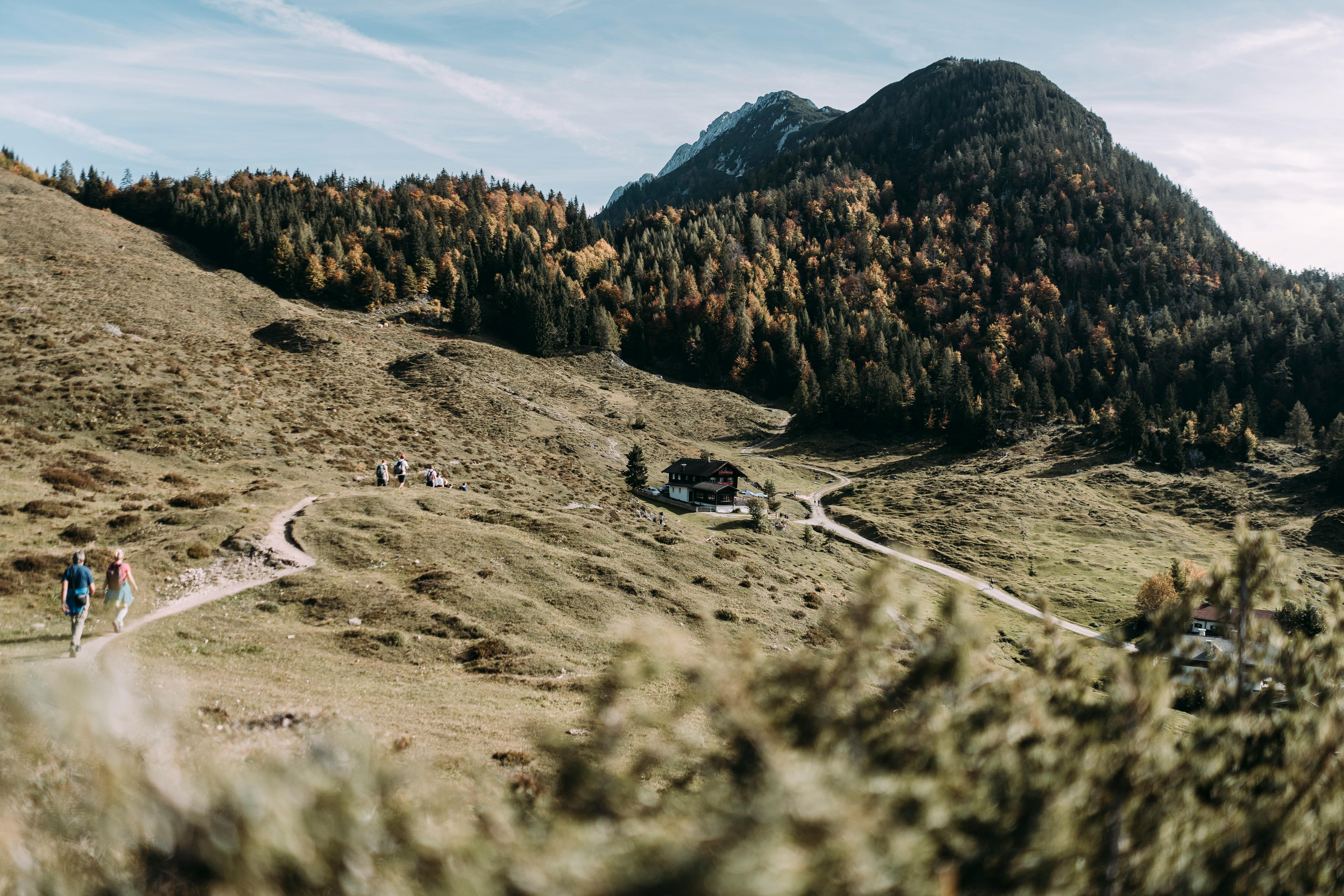
Staffed mountain huts commonly charge for showers, limit their duration or offer none at all. The restriction reflects the physical water system a building at altitude has to operate.
The hut is its own water utility
There is no mains connection at altitude, so water arrives from a spring, from snowmelt captured in a catchment, or from rainfall collected off the roof.
That supply is stored in tanks whose size is limited by what could be built and transported to the site, often decades ago.
Refilling depends on weather. A dry spell reduces inflow while occupancy stays high, which is exactly when demand for washing peaks.
Heating water costs fuel that was flown in
Hot water requires energy, and energy at a hut comes from gas delivered by cableway or helicopter, from a small hydro installation or from solar panels.
Each of those has a hard ceiling. Solar output collapses in cloud, hydro depends on the same streams that supply the drinking water, and gas is expensive to deliver.
Charging for a shower is therefore a way of allocating a genuinely scarce resource rather than a revenue exercise.
Waste water is a bigger problem than supply
Everything used has to be treated on site, because discharging untreated water into a high catchment would contaminate streams used downstream.
Treatment plants at altitude are small, expensive and sensitive to temperature, and their capacity sets a limit independent of how much water is available.
This is why huts ask guests not to use soap in washrooms and why some prohibit it entirely, since detergents disrupt biological treatment.
Drinking water may not come from the tap
Some huts cannot guarantee potable quality from their collected supply and sell bottled or treated water instead, which surprises walkers expecting free refills.
Where the supply is spring-fed and tested, tap water is usually available and clearly signed, and the difference between huts on the same route can be considerable.
Carrying enough for the walking day rather than relying on refilling at the next hut is the practical approach on unfamiliar routes.
What guests are expected to do
Hut culture assumes guests wash minimally, use their own sleeping liner, and treat water as a shared resource rather than an amenity.
Bringing a small towel and accepting a cold rinse is normal, and many regular walkers simply do without for the duration of a traverse.
None of this is austerity for its own sake. It is what allows a building with no services to accommodate a hundred people a night.